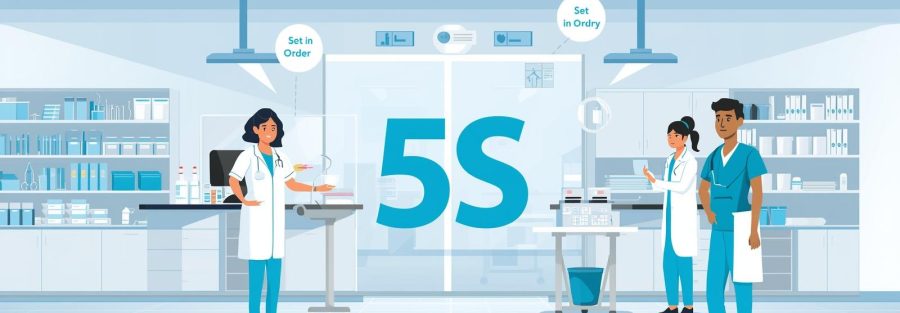
Hospitals manage many patients, medical tools, medicines, and staff activities every day. A busy hospital needs a clear system to keep everything organized and safe. 5S in hospitals helps healthcare facilities create a clean, structured, and efficient work environment. This method focuses on organizing spaces, reducing waste, and improving daily work processes.
Hospitals often face challenges such as misplaced equipment, crowded storage areas, delayed patient care, and workflow confusion. These issues affect patient safety and staff productivity. Healthcare leaders use 5S in hospitals together with continuous improvement ideas like Kaizen to create better systems and smoother operations.
The 5S approach improves hospital efficiency by organizing workspaces, reducing errors, and creating clear procedures. Healthcare organizations around the world adopt this method to support patient safety and operational excellence. Companies like WinCube 5S help organizations understand and implement this system in practical ways.
What is 5S in Hospitals?
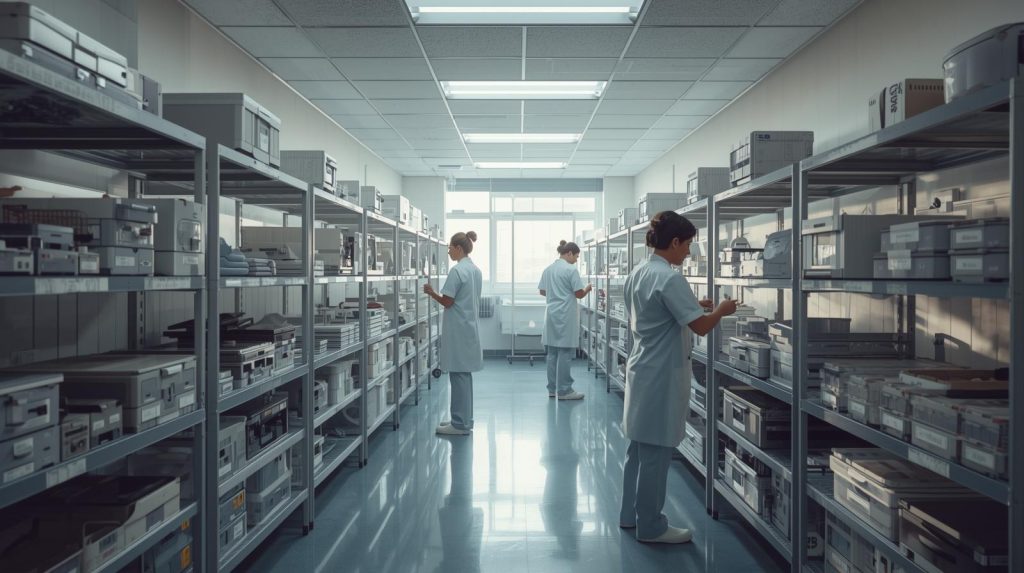
5S in hospitals is a workplace organization method that improves efficiency, safety, and workflow in healthcare environments. The method originated from Japanese management practices used in manufacturing industries. Healthcare organizations later adopted the system to improve medical operations and patient care.
The 5S system includes five simple steps that help hospitals organize equipment, maintain clean spaces, and standardize procedures. These steps create a structured environment where staff can work efficiently and focus on patient treatment.
Hospitals often handle many medical tools, medicines, patient records, and diagnostic equipment. When staff cannot find tools quickly, treatment delays may occur. Disorganized spaces may also increase the risk of medical errors. 5S in hospitals solves these problems by creating clear storage systems, proper labeling, and routine cleaning practices.
A well-organized hospital environment supports faster decision-making and better teamwork among healthcare professionals. Doctors, nurses, and technical staff can identify and access the required tools quickly, which helps them carry out their work efficiently. Training organizations such as WinCube 5S guide hospitals in applying these principles in healthcare settings.
The Five Steps of 5S in Hospitals
The 5S system includes five structured steps. Each step improves hospital organization and helps staff manage resources efficiently.
1. Sort (Seiri)
Sorting removes unnecessary items from hospital work areas. Staff identify tools, supplies, and equipment that are not required for daily operations.
Hospital Example:
A pharmacy department may discover expired medicines or unused drug stock during a sorting activity. Staff remove these items to create more space and reduce confusion. Emergency rooms may also remove broken tools or unused supplies that occupy valuable storage areas.
Sorting ensures that only essential items remain in medical workspaces. This step helps healthcare teams focus on what they truly need for patient care.
2. Set in Order (Seiton)
After sorting, staff organize the remaining items so they can find them easily. Every tool, medicine, and device receives a fixed location.
Hospital Example:
Surgical instruments may be arranged in labeled trays based on procedure type. Emergency medicines may be stored in clearly marked cabinets near treatment areas. Nurses can quickly locate tools during urgent situations.
Clear labeling and organized storage reduce search time and improve hospital workflow. This step plays a major role in the success of 5S in hospitals.
3. Shine (Seiso)
Shine focuses on cleaning and maintaining hospital environments. Clean spaces help staff detect equipment problems early and maintain hygiene standards.
Hospital Example:
Operating rooms undergo regular cleaning and inspection after surgeries. Medical equipment such as monitors, beds, and infusion pumps receive routine cleaning to ensure safety and proper functioning.
Hospitals already follow strict sanitation practices. The shine step strengthens these efforts by integrating cleanliness into daily work routines.
4. Standardize (Seiketsu)
Standardization creates clear procedures so staff follow the same system across departments. Hospitals develop visual guides, checklists, and standard operating procedures.
Hospital Example:
A hospital may create a standard checklist for preparing surgical instruments before operations. Pharmacy teams may use a standard labeling system for drug storage and inventory control.
Standardization ensures consistency across departments. Staff can follow clear instructions without confusion.
5. Sustain (Shitsuke)
Sustain focuses on maintaining discipline and continuous practice. Hospitals monitor the system through regular audits and training programs.
Hospital Example:
Hospital management may conduct monthly audits to check workspace organization and compliance with procedures. Training sessions help staff understand the importance of maintaining the system.
Sustaining the system ensures long-term success of 5S in hospitals and supports a culture of continuous improvement.
Benefits of 5S in Hospitals
Hospitals that adopt 5S in hospitals experience several operational and safety benefits. The system improves both clinical and administrative activities.
Improved Patient Safety
Organized workspaces reduce medical errors. Doctors and nurses can locate equipment quickly during emergencies. Proper storage also prevents the use of expired medicines or damaged tools.
Faster Patient Care
When staff locate equipment easily, treatment begins faster. Emergency rooms benefit greatly from organized tools and clearly labeled medicine storage.
Better Hospital Workflow
The 5S method simplifies hospital processes. Staff members move efficiently between tasks because work areas remain structured and clean.
Reduced Waste
Hospitals often manage large amounts of supplies. Organized inventory prevents over-ordering and reduces expired materials. This improves cost efficiency.
Higher Staff Productivity
Clear workspaces help healthcare professionals focus on patient care. Staff spend less time searching for equipment or correcting mistakes.
Healthcare institutions that implement 5S in hospitals create environments where staff can work confidently and efficiently.
How Kaizen Supports 5S in Hospitals
Continuous improvement strengthens the success of 5S in hospitals. The improvement philosophy known as Kaizen encourages small daily improvements in work processes.
Healthcare teams use Kaizen to identify problems, suggest solutions, and implement improvements regularly. Staff members participate actively in improving their work environment.
For example, nurses may notice delays in accessing certain tools. They may propose a new storage arrangement that reduces time during patient treatment. Management can test the idea and standardize it if it improves efficiency.
The combination of Kaizen and 5S helps hospitals maintain long-term improvement. Organizations like WinCube 5S train teams to apply these improvement systems in real hospital environments.
Steps to Implement 5S in Hospitals
Hospitals can implement 5S in hospitals through structured planning and staff involvement.
Train Hospital Staff
Staff must understand the purpose and benefits of the system. Training sessions introduce the five steps and explain their role in daily work.
Identify Problem Areas
Hospitals should review departments such as emergency rooms, pharmacies, laboratories, and operation theatres. Teams identify areas with clutter or workflow delays.
Remove Unnecessary Items
Sorting activities remove outdated tools, broken equipment, and expired medicines. This step creates space for efficient organization.
Organize Medical Equipment
Departments assign clear locations for tools and supplies. Labels and visual guides help staff identify storage areas easily.
Monitor and Improve
Regular audits check whether departments follow the system. Management teams review results and make improvements when necessary.
Healthcare consulting firms such as WinCube 5S support hospitals in designing practical implementation strategies and training programs.
Why Choose WinCube 5S
Hospitals often require expert guidance when implementing improvement systems. WinCube 5S provides professional support to organizations that want to build efficient and organized workplaces.
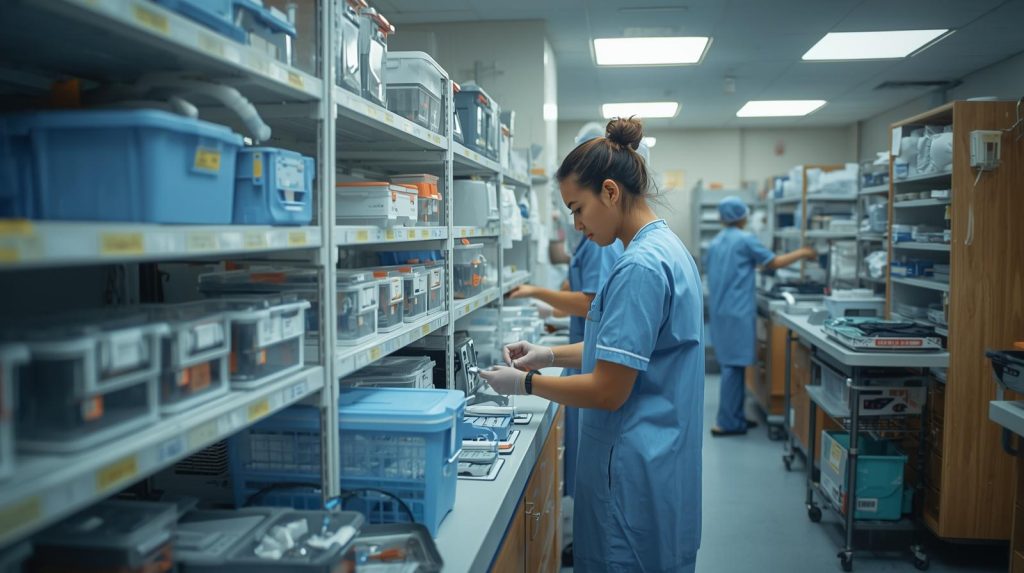
WinCube 5S focuses on practical training, real-world implementation strategies, and sustainable improvement practices. The organization helps healthcare teams understand the principles of 5S and apply them effectively in hospital environments.
Key reasons hospitals choose WinCube 5S include:
- Expertise in 5S and workplace organization
- Industry-focused training programs
- Practical improvement tools and frameworks
- Guidance for long-term system sustainability
- Support for healthcare quality improvement
WinCube 5S works closely with organizations to build efficient systems that improve operational performance and patient care.
Frequently Asked Questions
1. What is 5S in hospitals?
5S in hospitals is a workplace organization system that helps healthcare facilities maintain clean, structured, and efficient workspaces. The system includes five steps: Sort, Set in Order, Shine, Standardize, and Sustain.
2. Why is 5S important in healthcare?
Hospitals require efficient systems to manage tools, medicines, and patient care activities. The 5S method improves organization, reduces errors, and supports faster medical treatment.
3. How does 5S improve patient safety?
The 5S system ensures that medical tools and medicines are stored correctly and clearly labeled. Organized workspaces reduce mistakes and allow healthcare staff to respond quickly during emergencies.
4. What are the five steps of 5S in hospitals?
The 5S system follows five main steps: Sort, Set in Order, Shine, Standardize, and Sustain. Each step helps hospitals maintain organized and efficient work environments.
5. How can hospitals implement 5S successfully?
Hospitals should train staff, identify problem areas, remove unnecessary items, organize equipment, and conduct regular audits. Continuous improvement practices help maintain the system.
6. How does Kaizen support 5S in hospitals?
The improvement philosophy Kaizen encourages teams to make small improvements in their daily work. This approach strengthens the long-term success of 5S practices in healthcare organizations.
Conclusion
Hospitals operate in complex and fast-paced environments. Staff must manage patients, equipment, medicines, and administrative tasks with precision and care. 5S in hospitals provides a simple yet powerful method for organizing healthcare workplaces and improving efficiency.
The five steps of the 5S system help hospitals create structured environments where staff can focus on patient treatment rather than searching for tools or correcting mistakes. Clean workspaces, standardized procedures, and disciplined practices improve patient safety and operational performance.
When hospitals combine the 5S method with continuous improvement approaches like Kaizen, they build a culture of efficiency and teamwork. Organizations such as WinCube 5S support healthcare institutions in implementing these systems successfully and maintaining long-term improvements.
Hospitals that adopt structured improvement systems can deliver faster care, reduce waste, and create safer environments for both patients and healthcare professionals.