
In today’s competitive manufacturing environment, textile companies face constant pressure to improve productivity, reduce waste, enhance quality, and maintain workplace safety. One of the most effective lean manufacturing methodologies used worldwide is 5s implementation in textile industries. By creating a clean, organized, and efficient workplace, textile manufacturers can significantly improve operational performance while reducing costs.
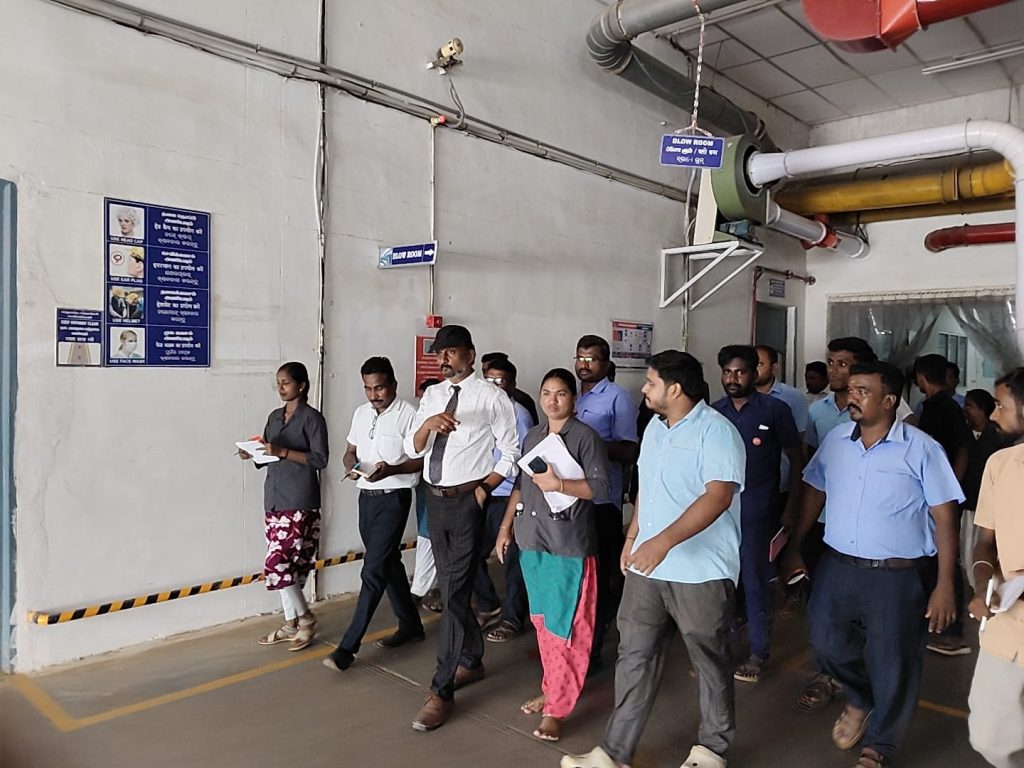
From spinning and weaving units to dyeing, processing, and garment manufacturing facilities, 5S helps establish discipline and standardization across every department. Organizations that successfully adopt 5S often experience faster production cycles, fewer defects, reduced downtime, and improved employee morale.
What is 5S?
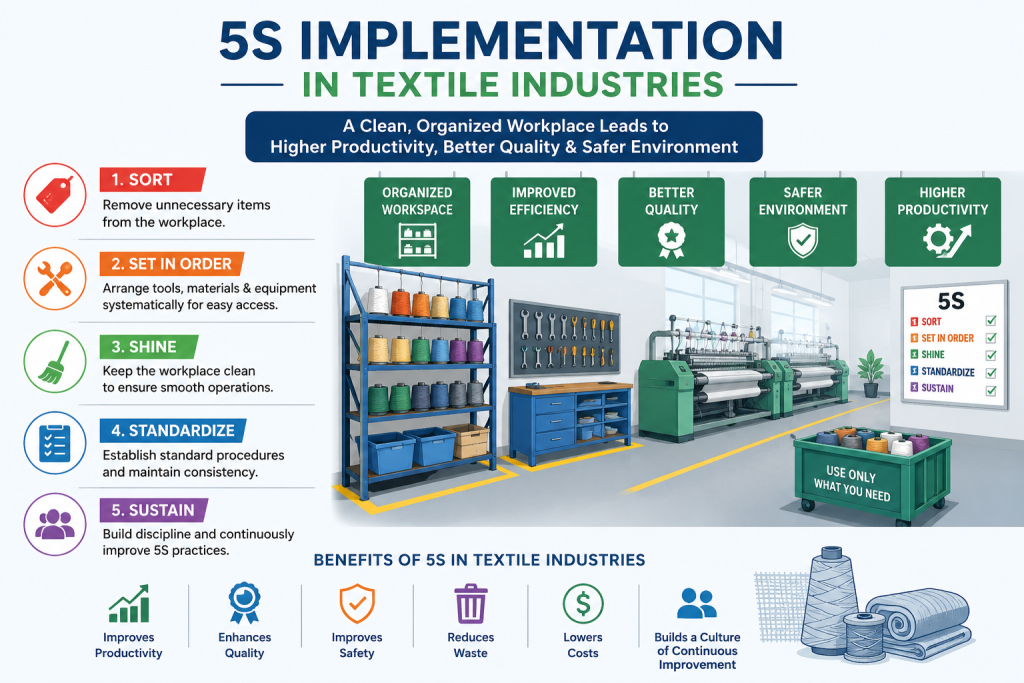
The concept of 5S Implementation in Textile Industries plays a crucial role in improving workplace efficiency, safety, and productivity. By following the 5S principles—Sort, Set in Order, Shine, Standardize, and Sustain—textile companies can reduce waste, improve workflow, and maintain a clean working environment.
Sort (Seiri)
In textile units, unnecessary tools, damaged fabrics, broken bobbins, and unused materials are removed from the production floor. This helps reduce clutter and prevents mixing of defective and usable materials.
Set in Order (Seiton)
Yarns, fabrics, dyes, tools, and machine parts are arranged in clearly labeled and fixed locations. This reduces time wasted searching for items during weaving, stitching, or dyeing processes and improves workflow speed.
Shine (Seiso)
Machines like looms, spinning frames, and sewing machines are cleaned regularly to remove lint, dust, and oil leaks. This helps prevent machine breakdowns and ensures smooth production.
Standardize (Seiketsu)
Standard operating procedures are created for machine setup, cleaning schedules, and material handling. In textile industries, this ensures every shift follows the same method, maintaining consistent product quality.
Sustain (Shitsuke)
Workers are trained and motivated to follow 5S practices daily. Regular audits and supervision ensure discipline is maintained, leading to long-term efficiency and safety in textile production areas.
The success of 5s implementation in textile industries depends on employee participation, leadership commitment, and consistent monitoring.
Why Textile Industries Need 5S
The textile sector involves complex processes, multiple workstations, large inventories, and continuous material movement. Without proper organization, companies often face:
- Excess inventory
- Material mix-ups
- Machine downtime
- Quality defects
- Safety hazards
- Delayed deliveries
This is why 5s implementation in textile industries has become a critical strategy for manufacturers seeking operational excellence.
Disadvantages of Operating Without 5S in Textile Industries
1. Cluttered and Unorganized Workstations
When work areas are not properly organized, unnecessary items accumulate on the production floor. This creates confusion, reduces available workspace, and makes daily operations inefficient.
2. Excess Time Spent Searching for Tools and Materials
Employees often waste valuable production time looking for tools, fabric rolls, spare parts, documents, or accessories, resulting in lower productivity.
3. Higher Production Delays and Workflow Interruptions
Poor workplace organization causes bottlenecks in material movement and production processes, leading to missed deadlines and delayed deliveries.
4. Increased Product Defects and Rework Costs
Improper storage and handling of materials can lead to contamination, damage, or process errors, increasing rejection rates and rework expenses.
5. Frequent Machine Breakdowns Due to Poor Housekeeping
Dust, lint, and debris are common in textile factories. Without regular cleaning and maintenance, machines are more likely to experience breakdowns and performance issues.
6. Unsafe Working Conditions and Higher Accident Risks
Blocked pathways, misplaced tools, and cluttered workstations increase the chances of slips, trips, falls, and other workplace accidents.
7. Excess Inventory Accumulation and Storage Issues
In the absence of effective inventory control, organizations tend to overstock materials, leading to higher storage expenses and blocked working capital.
8. Low Employee Accountability and Workplace Discipline
A lack of standard procedures often results in inconsistent work practices, making it difficult to maintain discipline and responsibility among employees.
9. Difficulty During Audits and Compliance Inspections
Disorganized workplaces make it harder to demonstrate compliance with quality, safety, and operational standards during internal or external audits.
10. Higher Operational and Maintenance Costs
Inefficient processes, equipment failures, and waste generation contribute to increased operating expenses and lower profitability.
11. Poor Space Utilization Within the Factory
Unnecessary materials and improper storage consume valuable floor space that could otherwise be used for productive activities.
12. Reduced Customer Satisfaction
Production delays, inconsistent quality, and higher defect rates can negatively impact customer trust and long-term business relationships.
Advantages of 5S Implementation in Textile Industries
1. Clean, Organized, and Visually Managed Workplace
5S creates a structured environment where everything has a designated location, making the workplace cleaner, more professional, and easier to manage.
2. Quick Access to Tools, Materials, and Equipment
Clearly labeled storage locations and organized workstations enable employees to find what they need quickly, reducing unnecessary movement and downtime.
3. Improved Productivity and Workflow Efficiency
By eliminating waste and streamlining workplace organization, employees can focus more on productive activities and achieve higher output levels.
4. Better Product Quality with Fewer Defects
Well-organized processes minimize material mix-ups, contamination risks, and operational mistakes, leading to consistent product quality.
5. Reduced Machine Downtime and Maintenance Issues
Regular cleaning and inspection activities help identify potential equipment problems early, preventing unexpected breakdowns and costly repairs.
6. Enhanced Workplace Safety and Employee Well-Being
Clean aisles, proper storage practices, and hazard-free workstations create a safer environment and reduce the likelihood of workplace accidents.
7. Optimized Inventory Management and Reduced Waste
5S helps companies maintain only the necessary inventory levels, reducing excess stock, material wastage, and storage costs.
8. Stronger Employee Ownership and Accountability
Employees become more responsible for maintaining their work areas, fostering a culture of discipline, teamwork, and continuous improvement.
9. Easier Audits and Compliance Management
Standardized processes and organized workplaces make it easier to meet quality, safety, and regulatory requirements during audits and inspections.
10. Lower Operational Costs and Improved Profitability
Reduced waste, fewer defects, lower downtime, and improved efficiency contribute directly to cost savings and higher profit margins.
11. Better Utilization of Available Factory Space
Removing unnecessary items and organizing storage areas allows companies to maximize floor space and improve production flow.
12. Higher Customer Satisfaction
Consistent product quality, improved efficiency, and reliable delivery schedules help build stronger customer relationships and enhance brand reputation.
13. Strong Foundation for Lean Manufacturing and Continuous Improvement
5S serves as the first step toward Lean Manufacturing by creating a disciplined workplace culture that supports ongoing improvement initiatives and operational excellence.
Common Challenges During Implementation
Although the advantages are considerable, companies often encounter multiple challenges during implementation.
Employee Resistance
Workers may initially view 5S as additional work rather than a productivity improvement initiative.
Lack of Management Commitment
Without leadership support, improvement efforts often lose momentum.
Inconsistent Audits
Regular audits are essential to maintain standards and identify gaps.
Poor Training
Employees must understand not only what to do but also why it matters.
Overcoming these challenges is essential for successful 5s implementation in textile industries and long-term sustainability.
How 5S Helps Different Sectors in the Textile Industry
1. Spinning Department
The spinning department is the foundation of textile manufacturing, where raw fibers are converted into yarn. Implementing 5S helps maintain a clean and organized environment, reducing fiber contamination and improving yarn quality.
Benefits of 5S in Spinning:
- Reduces fiber waste and contamination
- Improves machine cleanliness and efficiency
- Minimizes yarn breakages and production interruptions
- Enhances workplace safety around high-speed machinery
- Improves material flow and inventory control
- Reduces downtime through better maintenance practices
2. Weaving Department
In weaving operations, smooth material movement and machine performance are critical for maintaining production targets. 5S helps organize tools, spare parts, and materials, ensuring efficient loom operation.
Benefits of 5S in Weaving:
- Faster access to weaving tools and accessories
- Reduced loom downtime and maintenance delays
- Improved fabric quality with fewer defects
- Better management of warp and weft materials
- Enhanced operator productivity
- Cleaner workstations leading to safer operations
3. Garment Manufacturing Department
Garment production involves multiple stages such as cutting, stitching, finishing, and packing. 5S creates a structured workflow that reduces delays and improves overall productivity.
Benefits of 5S in Garments:
- Organized sewing lines and workstations
- Reduced time spent searching for tools and materials
- Improved production efficiency and line balancing
- Fewer quality defects and rework issues
- Better space utilization on the production floor
- Enhanced employee discipline and accountability
4. Dyeing and Processing Department
Dyeing and processing require strict control over chemicals, dyes, equipment, and quality standards. 5S helps maintain cleanliness and process consistency while reducing operational risks.
Benefits of 5S in Dyeing & Processing:
- Proper storage and identification of dyes and chemicals
- Reduced risk of contamination and color variation
- Improved workplace safety when handling chemicals
- Better machine maintenance and cleaning schedules
- Faster identification of process abnormalities
- Consistent product quality and reduced wastage
5. Knitting Department
The knitting department plays a crucial role in converting yarn into fabric for various textile and apparel applications. Due to the continuous movement of yarn, needles, and machine components, maintaining an organized and clean workplace is essential. 5S helps improve machine performance, fabric quality, and production efficiency while reducing waste and downtime.
Benefits of 5S in Knitting:
- Reduces yarn contamination and fabric defects
- Improves machine cleanliness and operational efficiency
- Minimizes needle damage and machine breakdowns
- Ensures that yarn cones, tools, and spare parts are stored in a systematic and orderly manner.
- Reduces production interruptions caused by missing materials
- Enhances fabric quality and consistency
- Improves workplace safety around knitting machines
- Increases operator productivity through organized workstations
- Supports preventive maintenance activities
- Reduces waste and improves overall production performance
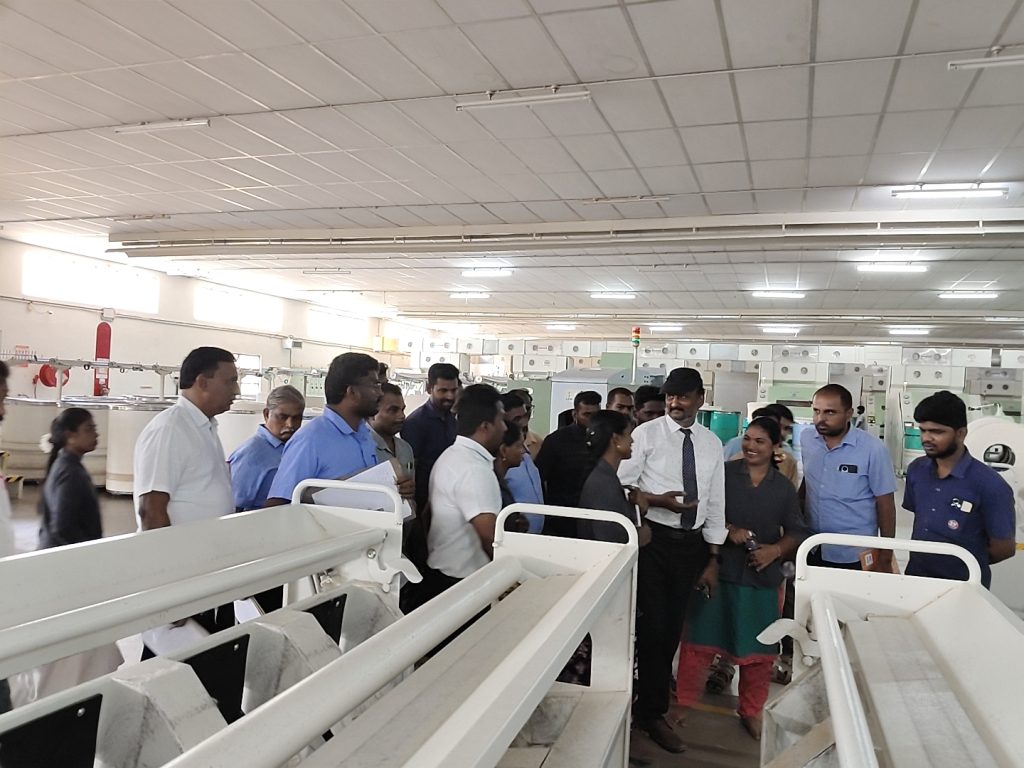
Whether it is spinning, weaving, garment manufacturing, knitting or dyeing and processing, 5S creates a workplace culture focused on organization, efficiency, safety, and continuous improvement. By implementing 5S throughout the textile value chain, manufacturers can achieve higher productivity, better quality, lower operational costs, and increased customer satisfaction.
Frequently Asked Questions
1. What is the primary objective of 5s implementation in textile industries?
The primary objective is to create an organized, efficient, safe, and productive workplace while reducing waste and improving quality.
2. How does 5s implementation in textile industries improve productivity?
It reduces time wasted searching for tools, materials, and information, allowing employees to focus on value-added activities.
3. Which textile departments benefit most from 5S?
Spinning, weaving, dyeing, finishing, garment production, maintenance, warehousing, and quality control departments all benefit significantly.
4. How long does it take to implement 5S successfully?
Initial implementation may take a few weeks, but sustaining the culture requires continuous effort and regular audits.
5. Does 5S require significant investment?
No. Most improvements involve workplace organization, visual management, and employee engagement rather than major capital expenditure.
6. Can small textile manufacturers implement 5S?
Yes. Small, medium, and large textile companies can all benefit from adopting 5S principles.
7. How often should 5S audits be conducted?
Many organizations conduct weekly or monthly audits depending on operational requirements.
8. What are the biggest mistakes during 5S implementation?
Lack of management support, inadequate training, and inconsistent follow-up are common reasons for failure.
9. How does 5S support quality improvement?
Organized workplaces reduce errors, contamination, material confusion, and process inconsistencies.
10. Is 5S part of Lean Manufacturing?
Yes. 5S is widely recognized as one of the foundational tools of Lean Manufacturing and continuous improvement programs.
Conclusion
In an industry where efficiency, quality, safety, and cost control directly impact profitability, 5s implementation in textile industries provides a proven framework for sustainable improvement. By creating organized, safe, and efficient workplaces, textile manufacturers can boost productivity, reduce waste, and improve overall performance.
Choose WinCube to simplify and sustain your 5S implementation journey. With the right tools and expertise, WinCube helps textile industries achieve operational excellence and long-term success.