
In today’s competitive business environment, companies are always searching for ways to improve productivity, reduce waste, and build stronger teams. One of the most effective approaches used worldwide is the Kaizen methodology. Originating in Japan, this powerful system focuses on making small, consistent improvements that create major long-term success.
Unlike one-time transformation projects, the Kaizen methodology encourages daily progress. It teaches businesses that improvement does not always need huge investments or dramatic changes. Sometimes, small adjustments in processes, communication, and workplace habits can create remarkable results.
From manufacturing plants to service industries, organizations adopt this Japanese workplace concept to create better efficiency, happier employees, and stronger customer satisfaction. In this blog, we will explore the meaning, principles, benefits, and practical applications of the Kaizen methodology in modern workplaces.
What Is Kaizen?
Kaizen is a Japanese term that means “change for the better” or “continuous improvement.” It is a management philosophy that promotes ongoing progress through small, regular enhancements. Instead of waiting for problems to become serious, businesses solve issues early and improve step by step.
The Kaizen methodology became globally recognized through Japanese manufacturing success, especially after World War II. Companies used Kaizen practices to rebuild operations, improve quality, and reduce inefficiencies. Over time, global industries adopted the same mindset.
At its core, the Kaizen methodology is not only about machines or systems. It is about people. Every employee, from top management to shop floor workers, contributes ideas for improvement.
Why Kaizen Matters in Modern Business
Many companies struggle with recurring issues such as delays, waste, communication gaps, quality defects, and employee disengagement. Traditional management often reacts only when problems become severe. Kaizen works differently.
The Kaizen methodology builds a proactive culture where employees continuously identify problems and improve processes before they grow.
This creates several long-term advantages:
- Better workflow efficiency
- Reduced operational waste
- Improved employee morale
- Higher product quality
- Lower production costs
- Faster response to customer needs
Businesses that practice continuous improvement stay adaptable in changing markets.
Core Principles of Kaizen Methodology
To understand how the Kaizen methodology works, it is important to know its guiding principles.
1. Continuous Improvement
Kaizen focuses on daily progress instead of occasional big changes. Even a 1% improvement repeated consistently creates major growth over time.
2. Employee Participation
Everyone contributes ideas. Workers closest to the process often understand problems best.
3. Waste Elimination
Kaizen identifies unnecessary movement, waiting time, defects, overproduction, and excess inventory.
4. Standardization
Once a better method is found, it becomes the new standard process.
5. Problem Solving
Teams analyze root causes instead of treating symptoms.
6. Discipline and Consistency
The Kaizen methodology succeeds when improvement becomes a habit.
Kaizen as a Japanese Workplace Concept
Japan became known for efficiency, quality, and disciplined manufacturing systems. The Japanese workplace concept behind Kaizen emphasizes teamwork, respect, process discipline, and long-term thinking.
Instead of blaming individuals, Japanese organizations often focus on improving systems. This mindset creates trust and collaboration.
The Kaizen methodology also values:
- Clean and organized workplaces
- Visual management systems
- Team communication
- Skill development
- Mutual respect
This cultural approach helps businesses build strong foundations rather than temporary fixes.
Kaizen Benefits for Organizations
Many businesses adopt Kaizen because of its measurable impact. The Kaizen methodology delivers practical and financial benefits across departments.
Improved Productivity
Simplified workflows help employees complete tasks faster with fewer interruptions.
Better Quality Control
Continuous monitoring reduces defects and rework.
Reduced Waste
Unused materials, delays, motion waste, and excess inventory decrease significantly.
Lower Costs
Efficient processes reduce labor waste, scrap costs, and downtime.
Stronger Employee Engagement
Employees feel valued when their suggestions matter.
Safer Work Environment
Organized workplaces lower accident risks.
Higher Customer Satisfaction
Better quality and faster delivery improve customer trust.
These Kaizen benefits make it a preferred strategy for businesses of all sizes.
How Kaizen Works in Daily Operations
The Kaizen methodology is effective because it fits into daily work routines. Companies do not need to pause operations to improve. Instead, improvement happens continuously.
A typical Kaizen cycle may include:
- Identify a problem area
- Observe the current process
- Collect employee suggestions
- Test a small improvement
- Measure results
- Standardize success
- Repeat again
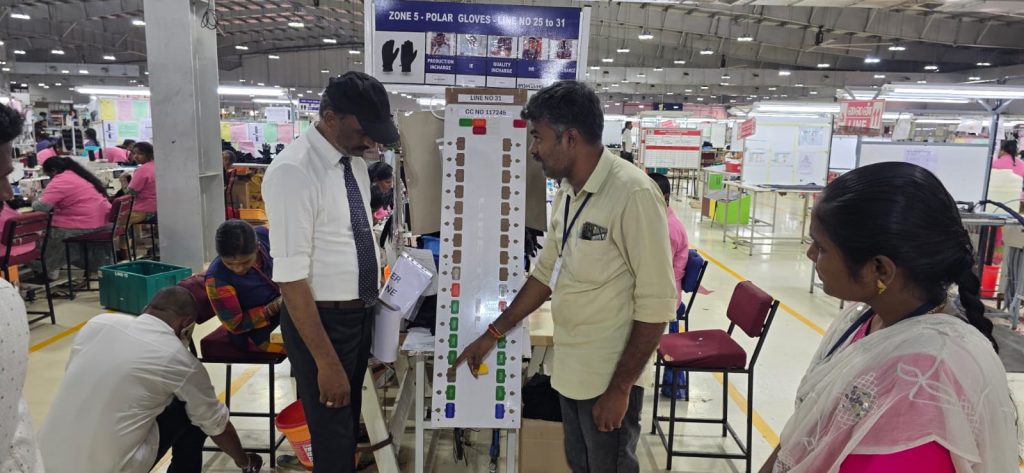
For example, if workers walk too far to collect tools, reorganizing the workstation can save time daily. Small changes like this produce large annual gains.
Kaizen in Manufacturing Industries
Manufacturing businesses widely use the Kaizen methodology because it directly improves output and quality.
Common Kaizen applications include:
- Reducing machine setup time
- Improving production line balance
- Minimizing defects
- Better material flow
- Organizing tools and workstations
- Reducing downtime
When applied consistently, factories become more productive and profitable.
Kaizen in Offices and Service Industries
Kaizen is not limited to factories. Offices, hospitals, retail stores, and service companies also benefit.
Examples include:
- Faster document approvals
- Better customer response time
- Organized digital files
- Reduced billing errors
- Improved scheduling systems
- Better team communication
The Kaizen methodology works anywhere a process exists.
Kaizen and Employee Mindset
A major strength of Kaizen is cultural transformation. Instead of accepting inefficiency as normal, teams begin asking:
- How can this be easier?
- How can we save time?
- How can we reduce errors?
- How can we improve quality?
This growth mindset creates long-term business excellence. The Kaizen methodology turns every employee into a contributor, not just a task performer.
Common Tools Used in Kaizen
Businesses often combine Kaizen with practical improvement tools such as:
5S Workplace Organization
Sort, Set in Order, Shine, Standardize, Sustain.
Root Cause Analysis
Finding why problems happen repeatedly.
PDCA Cycle
Plan, Do, Check, Act.
Visual Management
Using boards, labels, charts, and signals.
Standard Operating Procedures
Documented best practices.
These tools strengthen the Kaizen methodology and make improvements sustainable.
Challenges in Implementing Kaizen
Although powerful, Kaizen requires commitment. Common challenges include:
- Resistance to change
- Lack of leadership support
- Poor follow-up
- Inconsistent participation
- No measurement system
To overcome this, leaders must encourage ideas, recognize improvements, and maintain consistency.
The Kaizen methodology is most successful when management leads by example.
Why Small Improvements Create Big Results
Many companies wait for expensive technology or large restructuring projects. But Kaizen proves that regular small wins often outperform occasional big changes.
Saving two minutes per task, reducing one defect daily, or improving communication slightly may seem minor. Across months and years, these gains become transformational.
That is why the Kaizen methodology remains relevant in modern business.
Why Choose Professional Kaizen Guidance
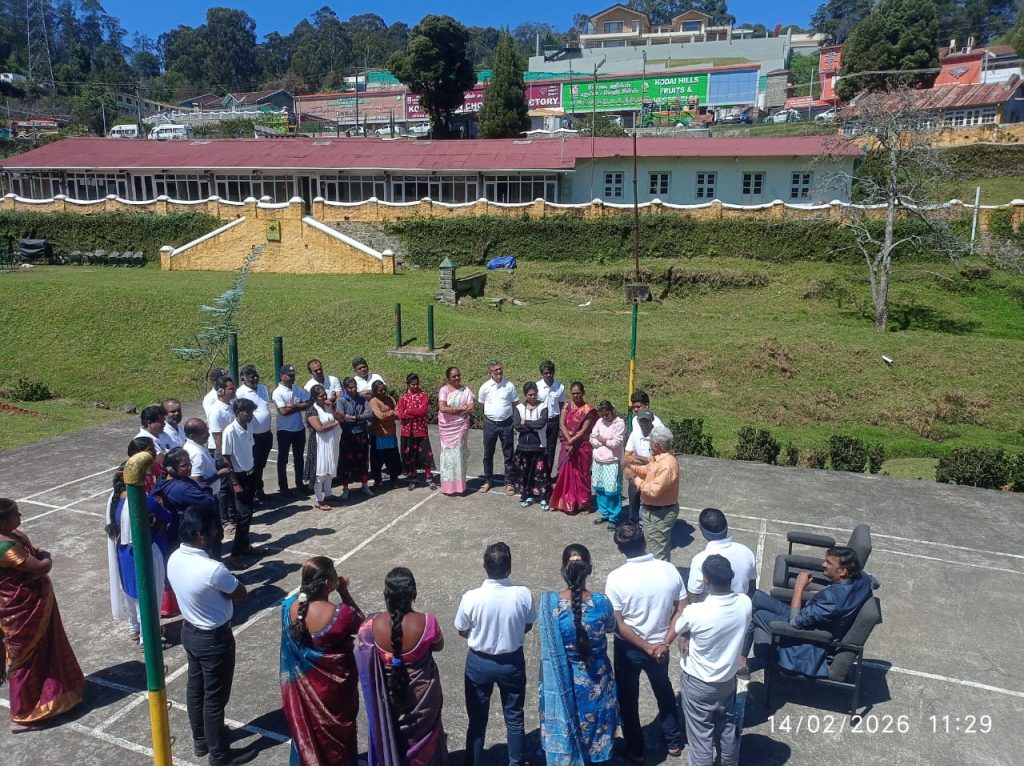
Some organizations understand improvement is necessary but struggle to start. Expert consultants help businesses assess current systems, train teams, and build sustainable improvement culture.
At Win Cube Solutions, businesses can implement structured continuous improvement strategies, workplace organization systems, and productivity-focused transformation programs tailored to their industry needs.
Frequently Asked Questions
1. What is Kaizen methodology?
The Kaizen methodology is a continuous improvement approach that focuses on making small, regular changes to improve productivity, quality, and workplace efficiency. It encourages every employee to participate in solving problems and improving processes.
2. What are the main benefits of Kaizen?
Some key benefits of Kaizen include reduced waste, improved productivity, better quality control, lower operational costs, stronger employee involvement, and higher customer satisfaction.
3. Is Kaizen methodology only used in manufacturing?
No, the Kaizen methodology can be used in any industry. It is widely applied in manufacturing, offices, healthcare, retail, logistics, and service sectors to improve daily operations and efficiency.
4. How does Kaizen help employees?
Kaizen creates a positive workplace culture where employees are encouraged to share ideas, solve problems, and contribute to improvements. This helps boost employee morale, strengthens collaboration, and enhances overall workplace satisfaction.
5. How can a company start implementing Kaizen?
A company can start by identifying small process issues, encouraging employee suggestions, organizing the workplace, setting improvement goals, and consistently reviewing progress. Training and expert guidance can also help ensure successful implementation.
Conclusion
The Kaizen methodology is more than a business tool—it is a mindset of continuous improvement. Rooted in a Japanese workplace concept, Kaizen helps organizations eliminate waste, improve quality, engage employees, and achieve long-term success.
Whether in factories, offices, or service environments, small improvements repeated consistently create extraordinary outcomes. Businesses that embrace Kaizen benefits build stronger systems, motivated teams, and better customer experiences.
If your organization wants sustainable growth, operational excellence, and smarter daily processes, the Kaizen methodology is one of the most effective paths forward.